Why fast drying matters in Salt Lake homes
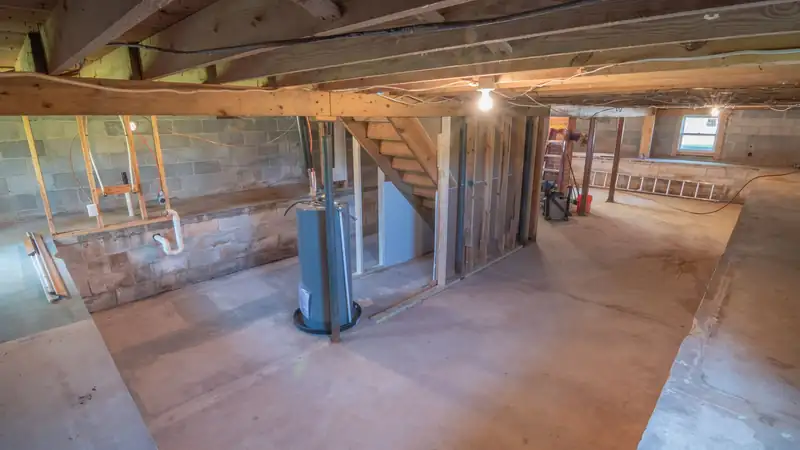
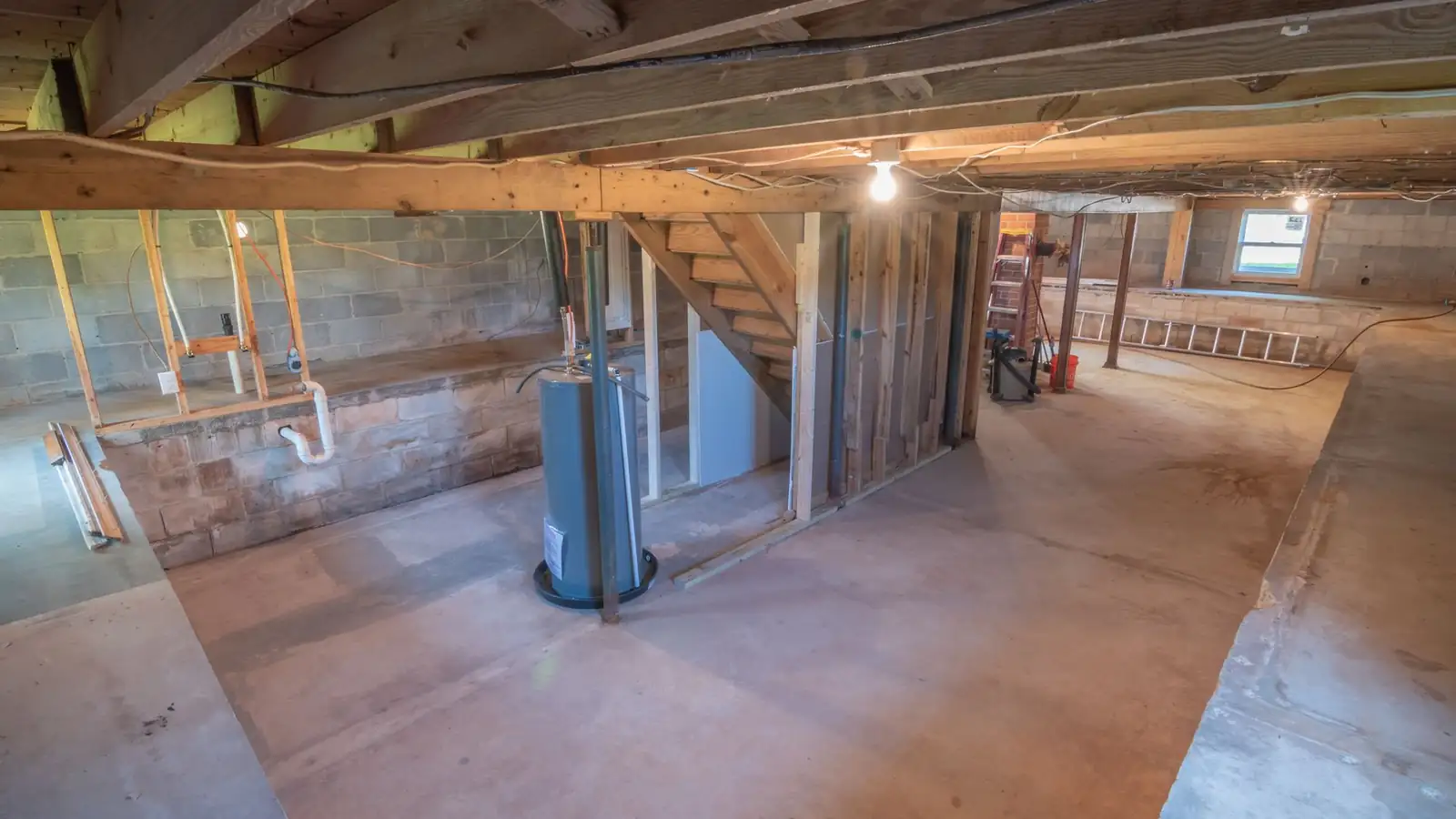
Salt Lake Valley air is dry most of the year, so a wet floor can look fine within a day. The trouble is what you can't see. Water runs down into finished basements, soaks the bottom of drywall and the pad under carpet, and settles into the gap between framing and a concrete foundation wall. Basements stay cooler and damper than the floors above, so they dry slowly unless someone moves air and pulls moisture out on purpose.
A restoration provider's job is to find where the water went, take it out, and dry the structure to normal moisture levels. They usually check readings until it's dry, not just until it looks dry.
What a typical water job involves
- Inspection and moisture mapping with meters and often a thermal camera to trace water behind walls and under flooring.
- Water extraction from carpet, pad, tile and concrete.
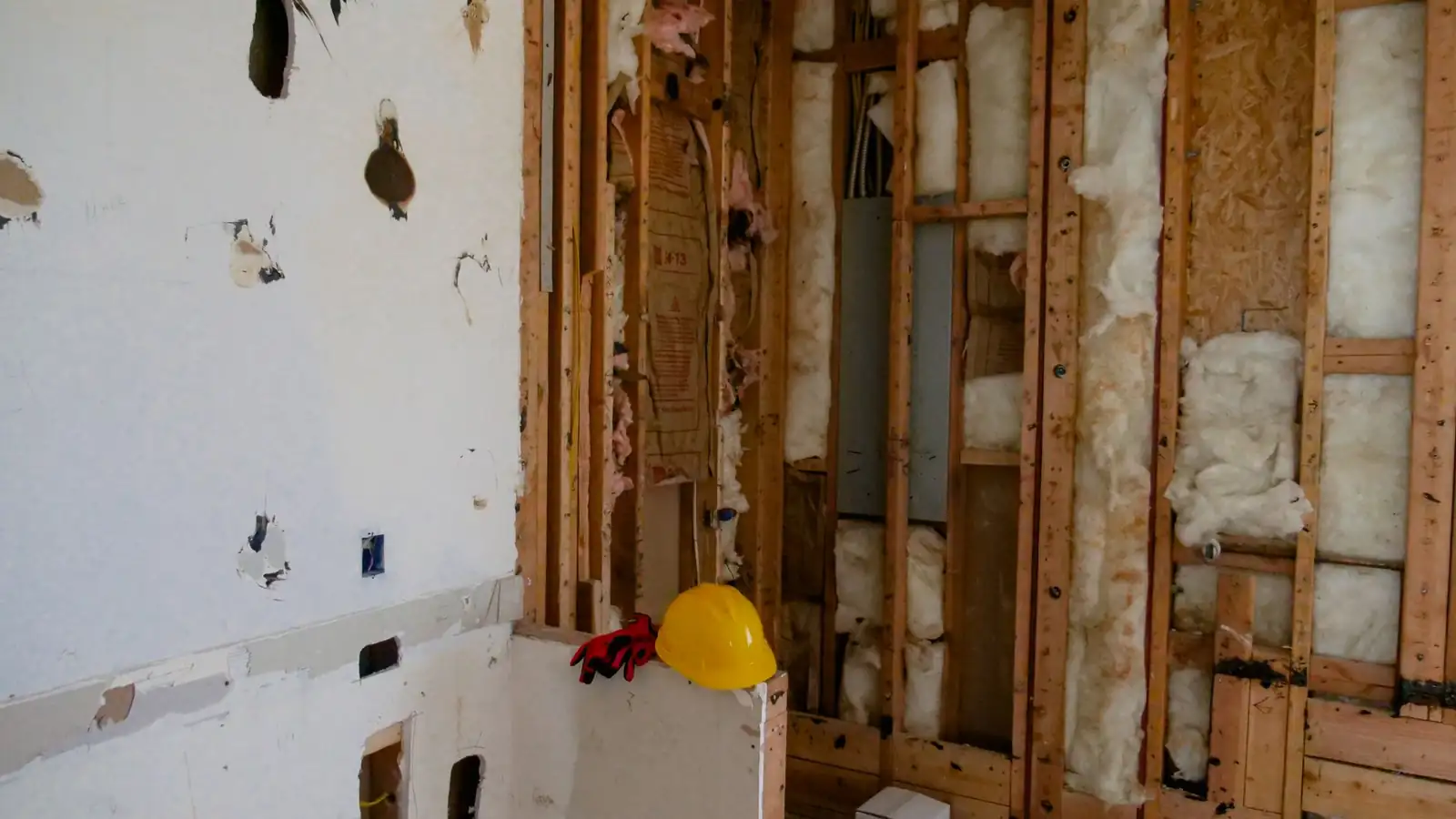
- Removing what can't be saved, such as soaked pad, swollen baseboards or the bottom of wet drywall ("flood cuts").
- Structural drying with air movers and dehumidifiers, checked daily with readings.
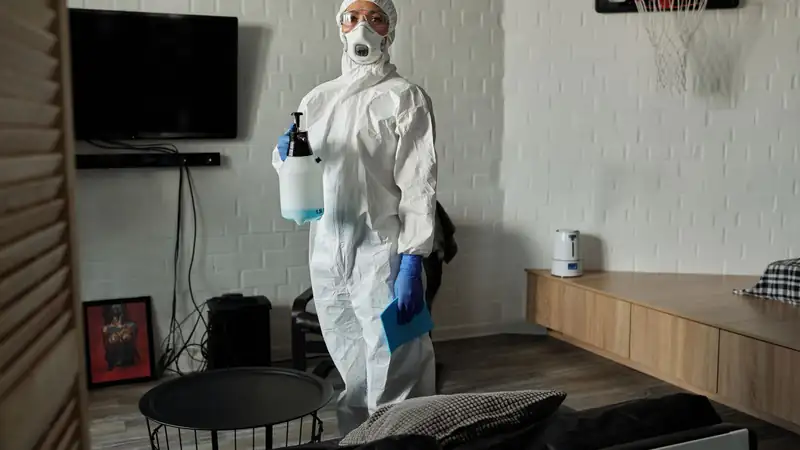
- Cleaning and antimicrobial treatment where the water was dirty or sat for a while.
- Repairs, which some providers do themselves and others hand off to a contractor.
Common sources we hear about in Salt Lake County
- Frozen and split pipes in exterior walls, crawl spaces, garages and hose bibs during cold snaps. See frozen and burst pipes.
- Spring runoff and storm water reaching window wells and basement doors. See basement flooding.
- Sewer backups into basement floor drains and toilets. See sewer backup cleanup.
- Water heaters, washers and softeners, which in many homes sit in the basement right next to finished rooms.
- Ice dams and roof leaks when snow on the roof melts and refreezes at the eaves.
Not sure who to call about a broken water main in the street versus a leak inside your home? Our Salt Lake County water emergency contacts page lists the utilities and their published emergency lines.
Where water damage restoration referrals are available
Calls about this service can be connected in these cities and towns:
- Salt Lake City
- West Valley City
- West Jordan
- Sandy
- South Jordan
- Draper
- Murray
- Taylorsville
- Millcreek
- Holladay
- Cottonwood Heights
- Herriman
- Riverton & Bluffdale
- Midvale
- Magna
- Kearns
Covered ZIP codes (35)
- 84009
- 84020
- 84044
- 84047
- 84065
- 84070
- 84081
- 84084
- 84088
- 84092
- 84093
- 84094
- 84095
- 84096
- 84101
- 84102
- 84103
- 84104
- 84105
- 84106
- 84107
- 84108
- 84109
- 84111
- 84115
- 84116
- 84117
- 84118
- 84119
- 84120
- 84121
- 84123
- 84124
- 84128
- 84129
Questions about water damage restoration
How long does it take to dry out a basement after a leak?
It depends on how much water there was, what got wet and how long it sat. Many clean-water jobs take several days of drying with equipment, checked with moisture readings. Concrete and materials against foundation walls usually take the longest.
Can I just use fans?
Fans help with surface water, but they rarely dry the inside of walls, the pad under carpet or concrete. A provider uses meters to confirm the structure is actually dry, which matters for mold and for an insurance claim.
Will homeowners insurance pay for water damage?
Sudden and accidental water, like a burst supply line, is often covered for the resulting damage. Slow leaks, outside flooding and sewer backups are commonly excluded or need separate coverage. Our Utah insurance guide explains the usual rules.