Mold in a dry climate?
Salt Lake County's dry air keeps a lot of homes mold-free, but mold doesn't need a humid climate. It needs moisture that stays put. In local homes that usually means:
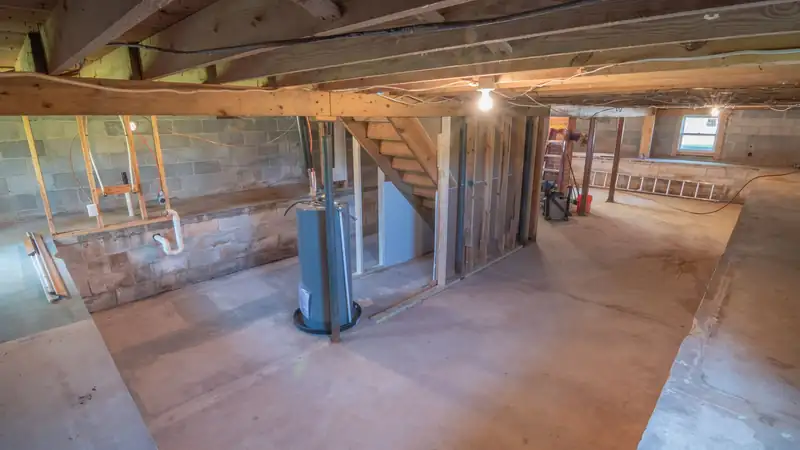
- A leak that was never fully dried, especially in a finished basement.
- Basement walls and carpet against cool concrete where moisture condenses.
- Bathrooms without a working exhaust fan.
- Attics where warm, moist air from the house leaks up in winter, or under an ice-dam roof leak.
- Window wells and around basement windows after runoff.
What remediation usually includes
- Finding and fixing the moisture source. Without this, mold comes back.
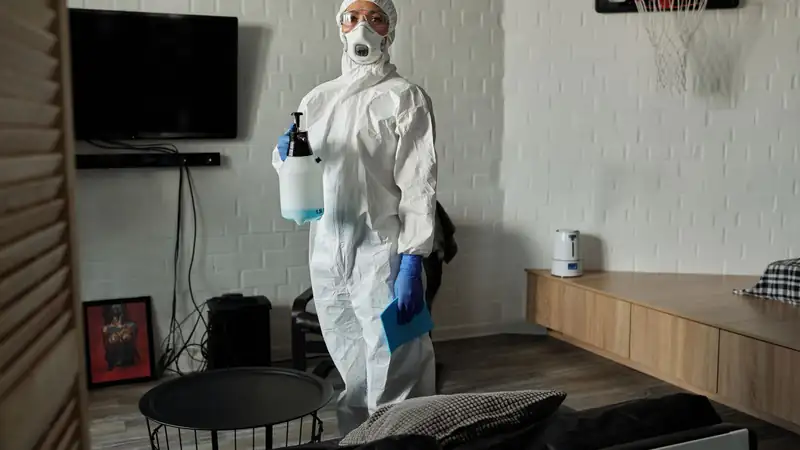
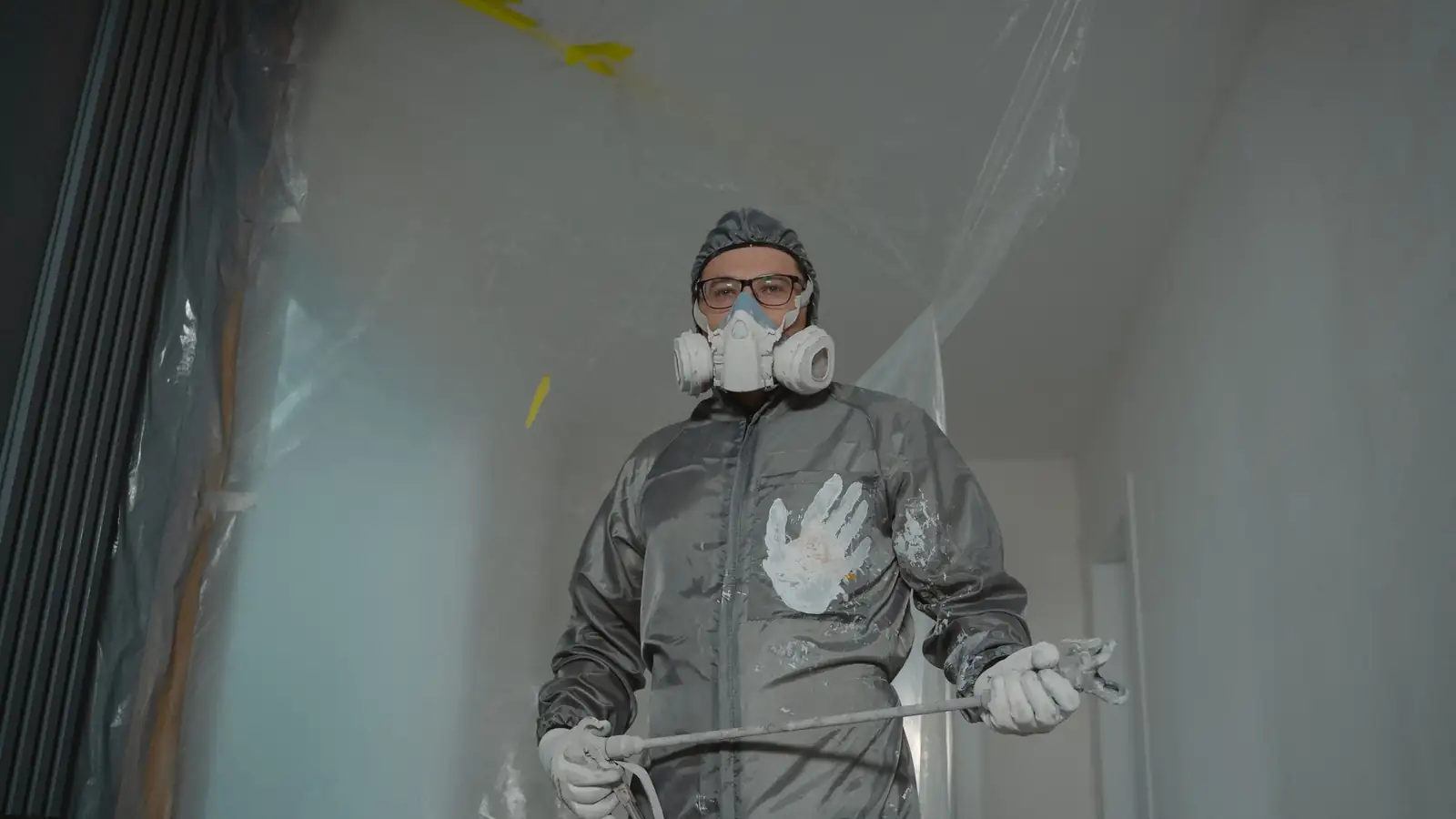
- Containment with plastic sheeting and negative air pressure, so spores aren't spread through the house.
- HEPA air filtration during the work.
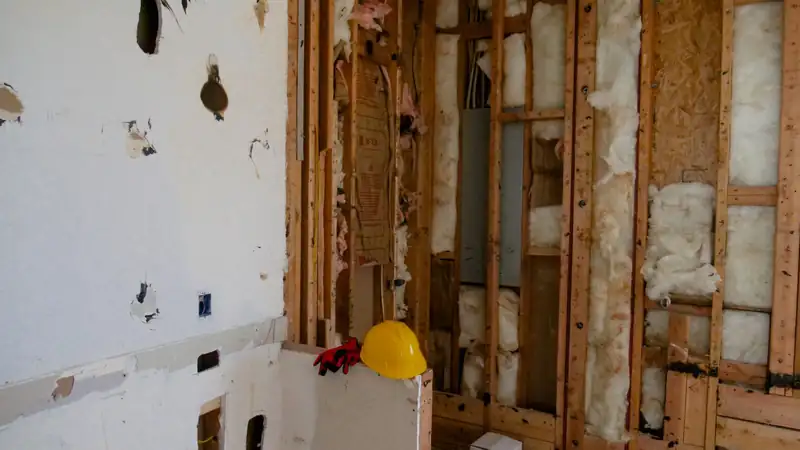
- Removing moldy porous materials such as drywall, insulation and carpet.
- Cleaning remaining surfaces, then drying.
- Many homeowners also choose independent clearance testing afterward.
Licensing in Utah
Utah doesn't have a mold-specific license. Repair work like replacing drywall can still fall under Utah contractor licensing, which you can verify with the Division of Professional Licensing lookup. Ask who on the job holds a mold certification from an industry body such as the IICRC, and ask for proof of insurance.
Where mold remediation referrals are available
Mold remediation referrals are available in these Salt Lake County cities:
- Salt Lake City
- West Valley City
- West Jordan
- Sandy
- South Jordan
- Draper
- Murray
- Taylorsville
- Millcreek
- Holladay
- Cottonwood Heights
- Herriman
- Riverton & Bluffdale
- Midvale
- Magna
- Kearns
Covered ZIP codes (35)
- 84009
- 84020
- 84044
- 84047
- 84065
- 84070
- 84081
- 84084
- 84088
- 84092
- 84093
- 84094
- 84095
- 84096
- 84101
- 84102
- 84103
- 84104
- 84105
- 84106
- 84107
- 84108
- 84109
- 84111
- 84115
- 84116
- 84117
- 84118
- 84119
- 84120
- 84121
- 84123
- 84124
- 84128
- 84129
Questions about mold remediation
Is a little mold in the bathroom a big deal?
Small surface spots on tile or caulk can often be cleaned with household products. Mold that keeps returning, covers a large area, smells musty or is inside walls usually points to a moisture problem worth having inspected.
Do I need mold testing?
Not always. If mold is visible, the priority is usually fixing the moisture and removing the growth. Testing is more useful when you smell mold but can't find it, or to confirm the work was done properly.
Does insurance cover mold?
Mold is often covered only when it results from a covered water loss, and many policies cap mold coverage. Mold from long-term leaks or humidity is commonly excluded.