Where pipes freeze in Salt Lake homes
Valley winters bring cold nights and the occasional stretch of single-digit temperatures, and homes on the benches and near canyon mouths often run colder than the valley floor. Pipes usually freeze in the same few places:
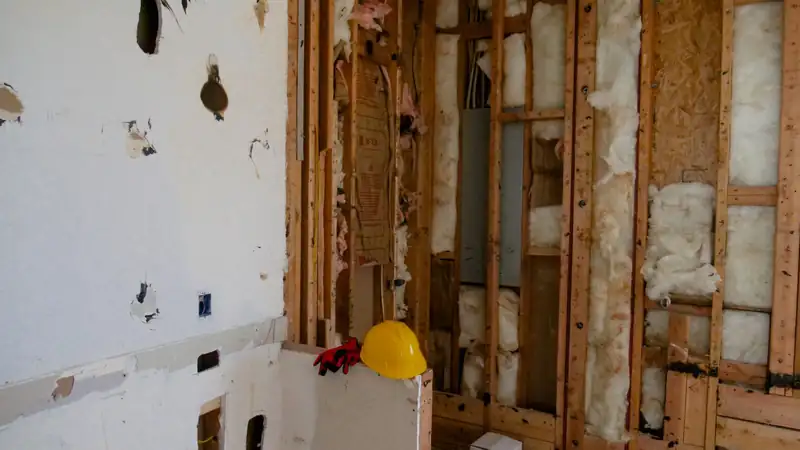
- Exterior walls, especially kitchen and bathroom lines on north-facing walls.
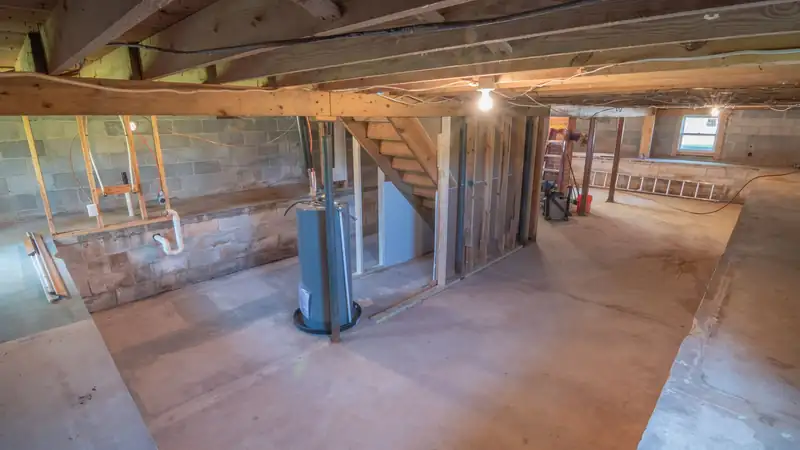
- Crawl spaces and unheated basements with vents left open or insulation missing.
- Garages, where water heaters, softeners and laundry lines sit next to an uninsulated door.
- Hose bibs and sprinkler lines, including the backflow device, if they weren't drained and blown out in the fall.
- Evaporative (swamp) cooler supply lines on older homes if the line wasn't shut off and drained before winter.
If a pipe has burst
- Close the main shutoff. If you can't find it or it won't turn, call your water provider's emergency line. In Salt Lake City that's the Department of Public Utilities 24-hour dispatch at (801) 483-6700 (source). Other cities are listed on our contacts page.
- Turn off power to wet areas if you can reach the panel from a dry spot.
- Open faucets to drain the remaining water and relieve pressure.
- Take photos, then move belongings out of the wet area.
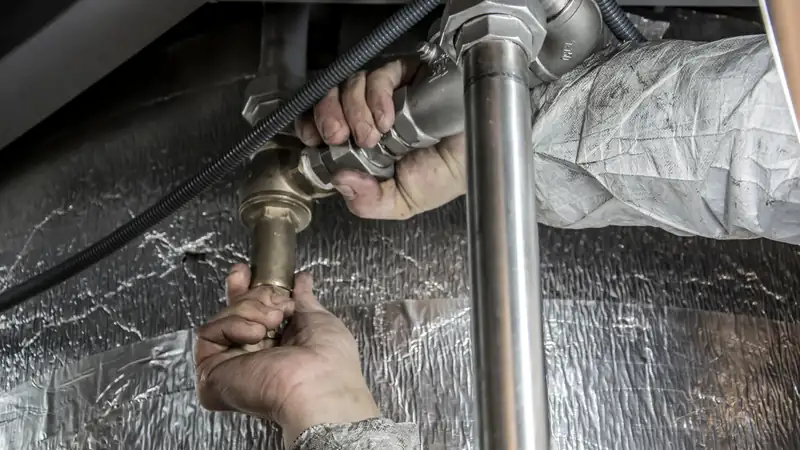
- Call a plumber to repair the pipe, and a restoration provider to dry the house. The two often work the same day.
Never thaw a pipe with an open flame. A hair dryer or space heater kept at a safe distance is the usual approach, and only if the pipe hasn't split.
Why a small split causes big damage
A pressurized line keeps flowing until someone shuts it off. A split in a basement ceiling or a second-floor bathroom can soak several rooms and run down into the basement before anyone notices, especially if you're away. That's why burst pipes cause some of the largest water losses in cold-climate homes.
Where frozen & burst pipes referrals are available
Calls about this service can be connected in these cities and towns:
- Salt Lake City
- West Valley City
- West Jordan
- Sandy
- South Jordan
- Draper
- Murray
- Taylorsville
- Millcreek
- Holladay
- Cottonwood Heights
- Herriman
- Riverton & Bluffdale
- Midvale
- Magna
- Kearns
Covered ZIP codes (35)
- 84009
- 84020
- 84044
- 84047
- 84065
- 84070
- 84081
- 84084
- 84088
- 84092
- 84093
- 84094
- 84095
- 84096
- 84101
- 84102
- 84103
- 84104
- 84105
- 84106
- 84107
- 84108
- 84109
- 84111
- 84115
- 84116
- 84117
- 84118
- 84119
- 84120
- 84121
- 84123
- 84124
- 84128
- 84129
Questions about frozen & burst pipes
How do I know a pipe is frozen?
Little or no water from a faucet in freezing weather, frost on an exposed pipe, or a bulge in the line are common signs. Keep the faucet open and warm the area gently. If you see a split or water, shut off the main first.
Does insurance cover a burst pipe?
The water damage from a sudden burst is often covered. Many policies expect you to have kept the home reasonably heated, so damage in a vacant, unheated home may be treated differently. Check your policy and talk to your adjuster.
Should I let faucets drip on cold nights?
A slow drip on faucets fed by exterior-wall pipes is a common precaution, along with opening cabinet doors so room heat reaches the pipes. See our winterizing guide for more.